Under One Sky
400 Years of Deities, People and Animals in Japanese Art
11 Oct 2026 – 11 Apr 2027

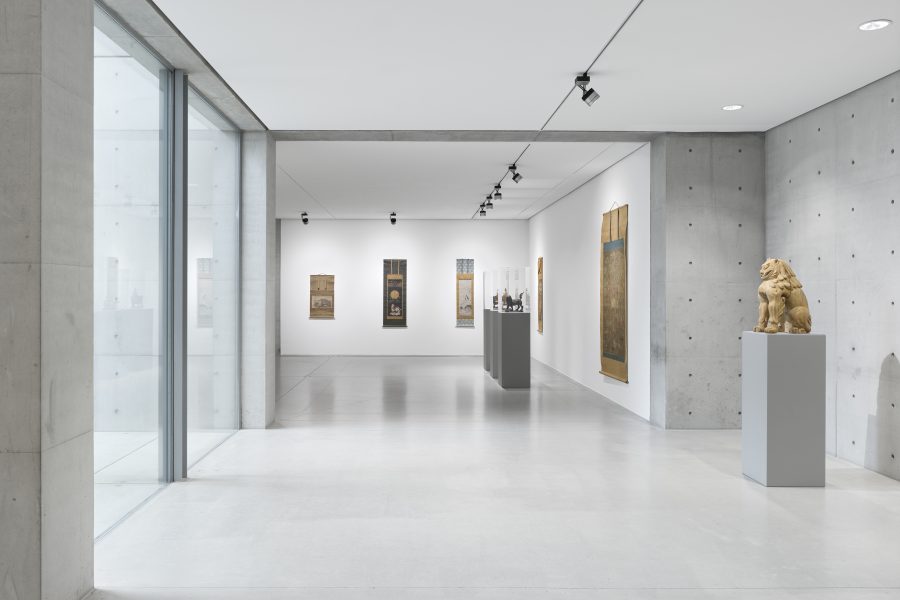
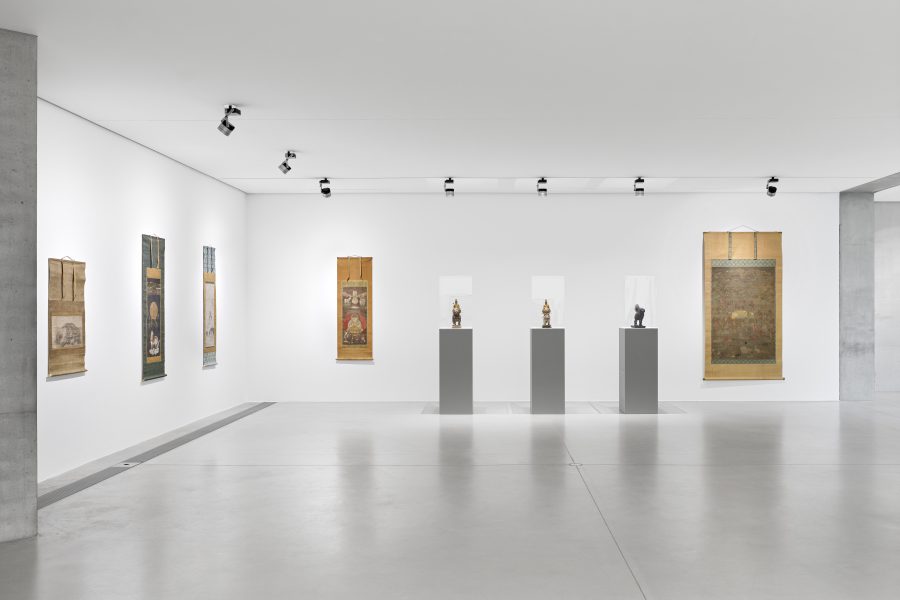
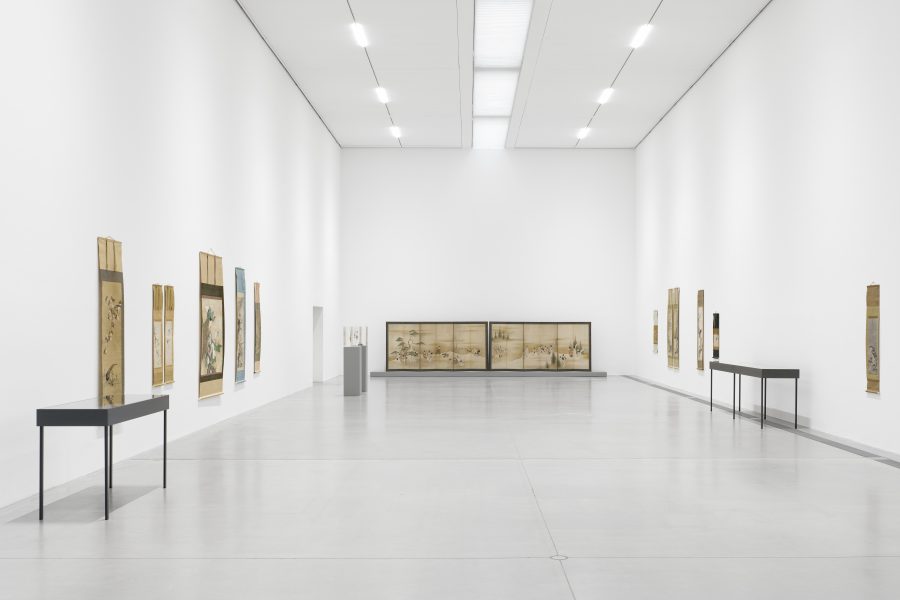
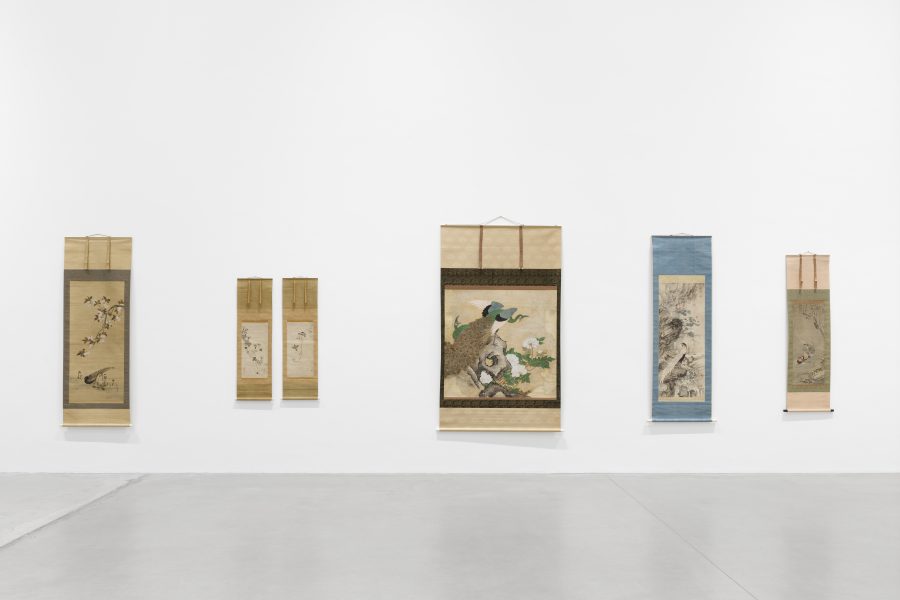
Curated by Khanh Trinh
How have people imagined their place within a world shared by gods, animals, and fellow human beings? Under One Sky: 400 Years of Deities, People and Animals in Japanese Art explores this enduring question through a remarkable selection of masterpieces from the Viktor and Marianne Langen Collection.
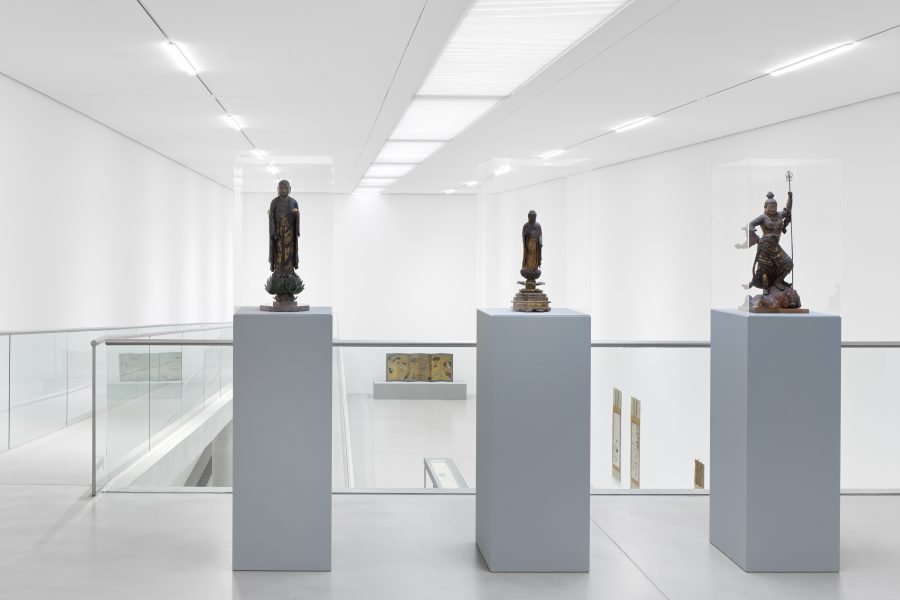
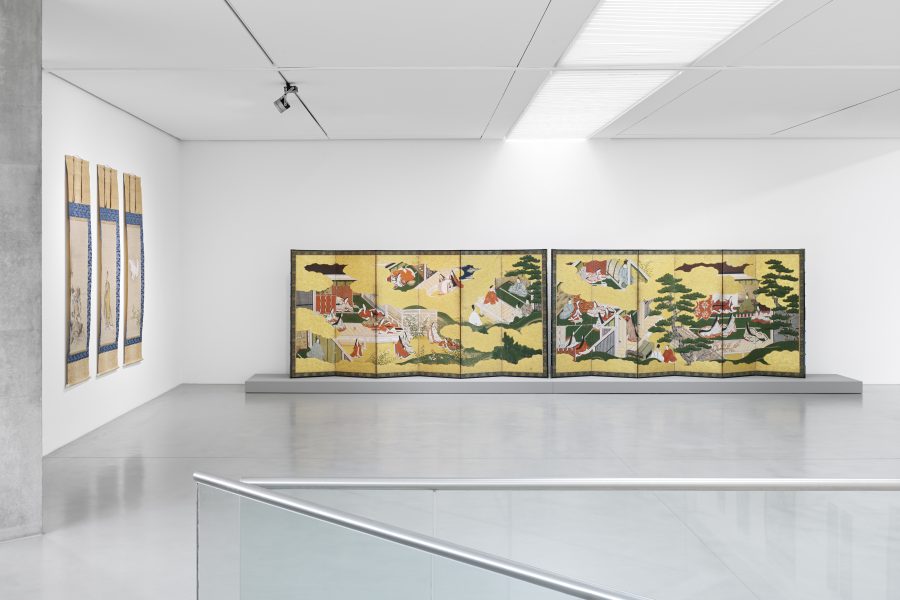
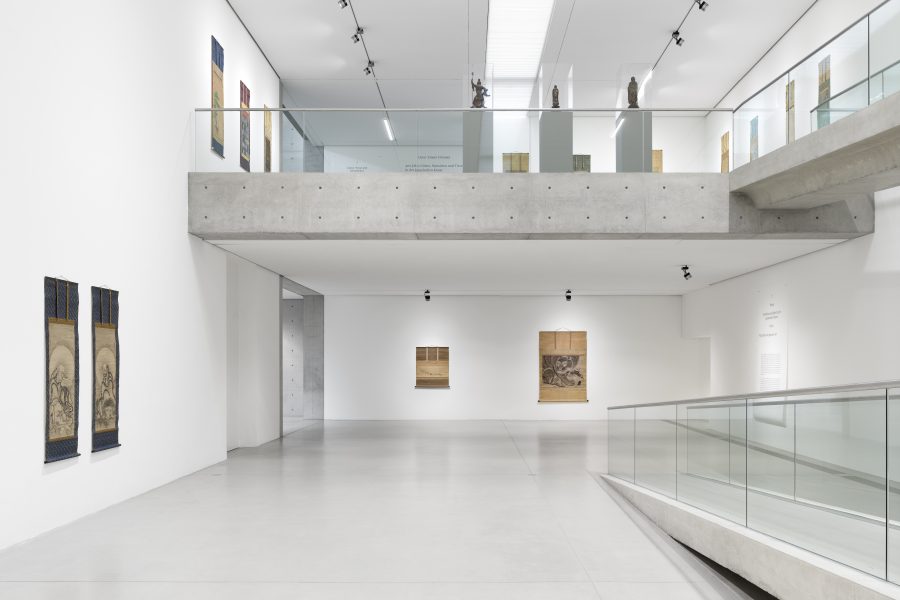
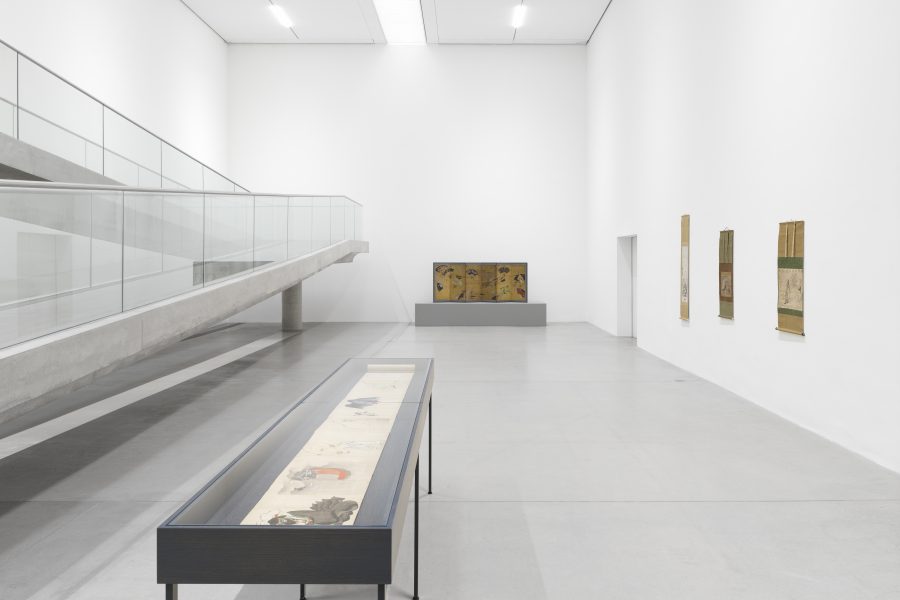
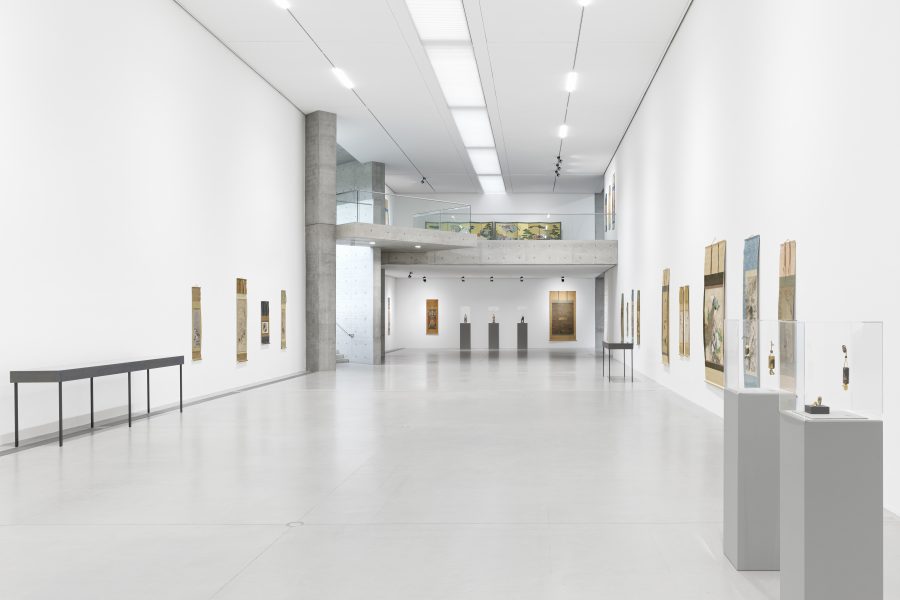
Spanning four centuries of Japanese artistic production, the exhibition brings together around seventy works, including folding screens, hanging scrolls, handscrolls, sculptures, inrō, netsuke, and decorative objects. Together, these works reveal a rich visual world in which the divine, the human, and the animal realms were not understood as separate domains, but as interconnected dimensions of a shared existence. Through exquisite craftsmanship and extraordinary imagination, Japanese artists created images that invite viewers to reflect on the relationships between nature, spirituality, and everyday life.
The exhibition opens with a striking ensemble of portraits, bringing Buddhist and Shinto deities into dialogue with enlightened Zen figures and images of beautiful women. In Japanese portraiture, appearance was only part of the story. Faces, gestures, clothing, and attributes could convey moral character, spiritual attainment, social identity, and ideals of beauty. These works are therefore not simply portraits of individuals, but images shaped by the values and aspirations of their time.
Visitors are then invited into a vibrant menagerie of real and imagined creatures. From majestic falcons and mischievous monkeys to powerful lions and exotic elephants, animals occupy a central place in Japanese visual culture. They appear not merely as decorative motifs but as meaningful actors within the social and spiritual order: messengers of the gods, guardians of the home, symbols of good fortune, and protagonists in stories passed down through generations. Through them, the boundaries between the natural and supernatural worlds become wonderfully fluid.
Bridging the worlds of humans and animals is a gallery devoted to one of the most distinctive qualities of Japanese art: its delight in playfulness. For centuries, artists have employed humour, parody, and satire to communicate religious teachings, moral lessons, and social commentary. Fearsome creatures become charming through exaggeration, while sacred figures take on a disarmingly human character through gentle caricature. Beneath the humour lies a sophisticated understanding of the power of laughter to entertain, teach, and even make the sacred feel closer to everyday life.
Throughout the exhibition, visitors encounter the extraordinary inventiveness of Japanese painters and craftspeople, who continuously reimagined familiar subjects and iconographies. Whether depicting awe-inspiring deities, celebrated historical figures, or enchanting animals, they transformed established motifs into endlessly varied and captivating works of art.
Under One Sky ultimately offers a compelling portrait of a worldview in which the sacred and the everyday, the human and the animal, the comic and the sublime existed in constant dialogue. Covering the period from the fifteenth to the nineteenth century, the exhibition illuminates how generations of Japanese artists envisioned a universe defined by interconnection rather than separation.
By bringing these diverse strands together, Under One Sky invites visitors to consider a timeless question: what does it mean to belong to a larger community of beings, all living beneath the same sky?
About the Curator: Khanh Trinh completed her studies in East Asian Art History, Japanese and Chinese Studies at the University of Zurich in 2000 with a PhD thesis on the Japanese painter Tani Bunchō (1763–1840). Between 1997 and 2015, she worked as a lecturer and curator of Japanese Art in Berlin, Rome, Tokyo, and Sydney before taking up the position of curator for Japanese and Korean Art at the Museum Rietberg Zurich in 2015. In her academic and curatorial work, she focuses on the social and cultural contexts of Japanese art production in the 18th and 19th centuries. As a curator and author, she has been involved in numerous exhibitions and contributed to the accompanying publications. In addition, she has also published widely on different aspects of Japanese painting and applied art during the Edo period (1603–1868) and on contemporary Japanese and Korean art.